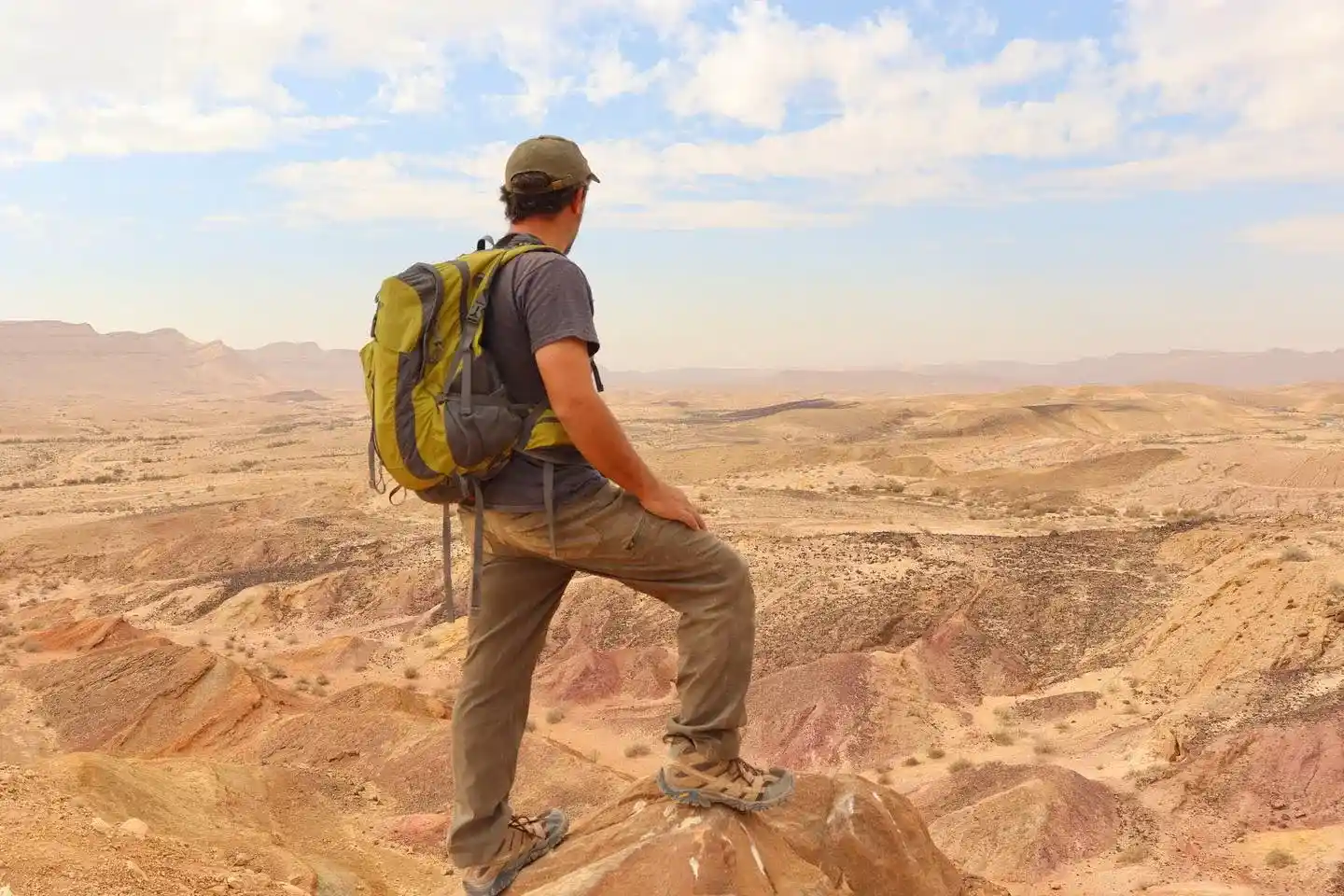
Desert hiking presents unique challenges that require careful consideration and preparation. The harsh environment can test even seasoned adventurers. From the scorching sun to rugged terrain, understanding the essentials is vital for a safe journey. Proper gear and planning can make all the difference. As one prepares for this endeavor, the importance of knowledge and strategy becomes clear. What specific strategies and gear can transform a formidable trek into a memorable experience?
Key Takeaways
- Prepare thoroughly by researching terrain, weather, and local wildlife to enhance safety and confidence during your hike.
- Equip yourself with sturdy boots, moisture-wicking clothing, and a wide-brimmed hat to protect against heat and discomfort.
- Always carry ample water and plan your water sources to prevent dehydration in the arid environment.
- Use reliable navigation tools like maps or GPS devices to stay oriented in vast, featureless landscapes.
- Inform someone about your hiking itinerary and expected return time for added safety during your adventure.
The Importance of Preparation for Desert Hiking
Preparation is the cornerstone of a successful desert hiking trip, as it transforms uncertainty into confidence. Understanding the unique challenges of desert environments is essential; extreme temperatures and sparse resources can pose significant risks. Important tips for a successful desert hiking trip include researching the terrain, planning routes, and checking weather forecasts. Familiarity with local wildlife and plants can enhance safety and enjoyment. Additionally, ensuring adequate hydration and nutrition is critical, as dehydration can quickly escalate. Formulating a detailed itinerary, informing others of plans, and considering time management are also important. By prioritizing preparation, hikers can foster a sense of community and adventure, empowering them to explore the desert’s vast beauty while ensuring their safety and well-being.
Essential Gear for a Successful Desert Hiking Trip
When starting on a desert hiking trip, the right gear can mean the difference between adventure and misadventure. Essential items include a sturdy pair of hiking boots, which provide stability on uneven terrain, and moisture-wicking clothing to keep hikers cool and dry. A wide-brimmed hat and UV-blocking sunglasses are essential for protection against the sun’s harsh rays. Hydration packs or water bottles are critical, as staying hydrated is key in arid conditions. A reliable map and compass, or GPS device, guarantee navigation through the vast landscape. Finally, a first aid kit can address any minor injuries that might occur. By equipping themselves with these essentials, hikers can embrace the beauty of the desert confidently and safely.
Key Challenges of Desert Hiking
Desert hiking presents a unique set of challenges that can test even the most seasoned adventurers. The harsh environment demands respect and preparation, as one misstep can turn a memorable journey into a intimidating experience.
- Intense heat can lead to dehydration and exhaustion.
- Limited water sources require careful planning and rationing.
- Navigation can become tricky in vast, featureless landscapes.
- Sudden weather changes may bring unexpected cold or storms.
- Wildlife encounters, while thrilling, can pose safety risks.
Understanding these challenges fosters a deeper connection with the desert landscape, enhancing the sense of belonging among fellow hikers. By acknowledging these hurdles, adventurers can approach their journey with the wisdom needed for a successful desert hiking trip.
Essential Safety Tips for Desert Hiking
Maneuvering the challenges of a desert hike requires more than just physical stamina; it demands a keen awareness of safety practices. Hikers should always carry ample water, as dehydration can occur swiftly in arid conditions. Wearing appropriate clothing—lightweight, breathable fabrics and sturdy footwear—protects against both the sun and rugged terrain. Guiding with a map or GPS device is essential, ensuring hikers remain on track in vast landscapes. Additionally, starting hikes early in the morning helps avoid the peak heat of the day. It’s wise to inform someone about the hiking itinerary and expected return time, fostering a sense of community and safety. By adhering to these essential safety tips for a successful desert hiking trip, adventurers can enjoy the journey with confidence.
Post-Hike Care Tips
Completing a desert hike is just the beginning of a rewarding experience; proper post-hike care is essential for recovery and overall well-being. After the adventure, it’s important to nurture the body and soul to truly savor the journey.
- Rehydrate with plenty of water to replenish lost fluids.
- Stretch muscles gently to alleviate tension and soreness.
- Enjoy a nutritious meal to fuel recovery and restore energy.
- Take time to reflect on the experience, perhaps journaling thoughts and feelings.
- Connect with fellow hikers to share stories and foster a sense of community.
These post-hike care tips not only enhance physical recovery but also deepen the emotional connection to the adventure, creating lasting memories for all who venture into the desert.
Frequently Asked Questions
What Is the Best Time of Year for Desert Hiking?
The best time for desert hiking is during the cooler months, typically from late fall to early spring. Temperatures are more manageable, allowing hikers to explore the stunning landscapes safely and comfortably without excessive heat.
How Can I Minimize My Environmental Impact While Hiking?
To minimize environmental impact while hiking, one should stick to established trails, pack out all waste, avoid disturbing wildlife, and use eco-friendly gear. These practices foster respect for nature and support sustainable outdoor experiences.
Are There Specific Desert Animals I Should Watch Out For?
Hikers should be cautious of rattlesnakes, scorpions, and venomous spiders, which can pose risks. Additionally, desert tortoises and coyotes may be encountered. Respecting wildlife and maintaining distance enhances safety during a desert hiking adventure.
What Should I Do if I Encounter Extreme Weather Conditions?
If encountering extreme weather conditions, the hiker should seek shelter, stay hydrated, and monitor changes. Finding a safe, shaded area can provide relief, while remaining aware of surroundings guarantees safety during unpredictable weather shifts.
How Can I Find Hiking Trails Suitable for My Skill Level?
To find hiking trails suitable for one’s skill level, individuals should consult local hiking guides, utilize online resources, and join community groups. Engaging with experienced hikers can provide invaluable recommendations tailored to personal abilities and preferences.
Conclusion
Ultimately, a successful desert hiking trip hinges on meticulous preparation and awareness of the environment. By equipping oneself with the right gear, understanding the challenges, and adhering to safety guidelines, adventurers can navigate the arid landscape with confidence. Post-hike care is equally important, ensuring recovery and readiness for future explorations. Embracing these strategies not only enhances the hiking experience but also fosters a deeper appreciation for the unique beauty and resilience of desert ecosystems.
You May Also Like To Read: